


A steamy bathroom mirror after a hot shower, lingering kitchen odors, and stuffy bedrooms all point to one problem: trapped air is not leaving fast enough. A ventilator fan solves it by pulling stale, humid air out and drawing fresh air in. But knowing how the fan actually works is not just academic. It helps you choose the right unit, maintain it correctly, and understand why some fans stay quiet for a decade while others rattle after a year. This guide explains the complete working principle of a ventilator fan, from the electric motor and impeller to pressure differences and airflow, with insight from a manufacturer with more than 30 years of motor production experience.
A ventilator fan is a motor-driven airflow device that moves air into or out of an enclosed space. Unlike a desk fan, which only keeps existing air moving, a ventilator fan exchanges air with the outside, either supplying fresh outdoor air or exhausting stale indoor air.
In everyday language, the two are often treated as the same thing. In engineering terms, they differ. An exhaust fan has one job: pull indoor air to the outside. This creates slight negative pressure in the room, and fresh air enters through gaps, windows, or dedicated intake vents. A ventilator fan is the broader category. It includes exhaust units, supply units that push outdoor air in, and reversible models that handle both directions. Every exhaust fan is a ventilator fan, but not every ventilator fan is an exhaust fan.
Key differences to remember:
The functional direction determines how the fan is installed and how it interacts with the building's ventilation strategy. If you only need to clear steam from a bathroom, an exhaust fan is sufficient. For controlled whole-house ventilation, a supply ventilator is the appropriate choice. To see the options built for exhaust duty, explore our exhaust fan collection.
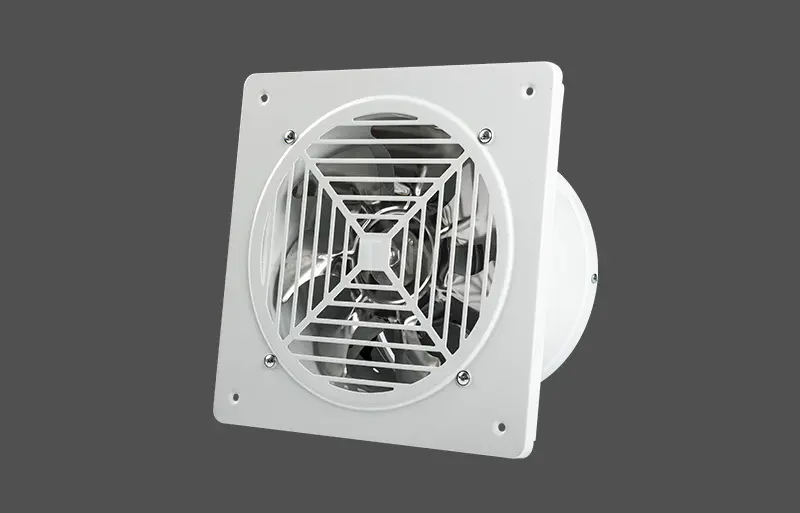 Custom Exhaust Fan factory, ManufacturersShengzhou Tianyi Electric Appliance Co., Ltd is China Exhaust Fan Manufacturers and Exhaust Fan Factory, supply Custom Exhaust Fan for saleView Product →
Every ventilator fan works because air moves from higher pressure to lower pressure. The fan does not need to pull air across a room; it simply creates a local pressure difference, and the atmosphere does the rest. As the motor spins the impeller, angled blades push air molecules toward the outlet. Air ahead of the blades is compressed into a high-pressure zone, while the area behind is depleted into a low-pressure zone. Air from the room rushes into the suction side and flows out the discharge side, creating steady airflow through the fan.
Two sides matter:
The volume of air moved per minute depends on blade speed, pitch, and motor torque.
Each blade is angled like a scoop. As it rotates, it captures a pocket of air and accelerates it toward the outlet, producing two measurable values. Airflow, expressed in CFM, describes how much air the fan moves. Static pressure, expressed in pascals or inches of water gauge, describes how much resistance the fan can overcome.
The two values trade off. A fan with a wide-open inlet and outlet delivers maximum CFM but almost no static pressure. Connect a long duct with several bends, and the fan develops static pressure but delivers less airflow. That is why specification sheets show a performance curve rather than a single number, and why matching the fan to the installation matters.
Every ventilator fan is built from the same family of components: a motor, an impeller, a housing, and bearings. Understanding each part explains why two fans of the same size differ in price, noise, and durability.
The electric motor converts electrical energy into mechanical rotation and decides the fan's lifespan, noise, and efficiency more than any other component. Residential and light-commercial ventilator fans generally use one of three motor types:
Power ratings range from roughly 20 watts for a small wall-mounted exhaust fan to several kilowatts for industrial ventilators. Construction quality separates a fan that stays quiet for ten years from one that rattles after eighteen months. Insulation class, bearing quality, and shaft precision all contribute.
For OEM buyers and product integrators, the motor also carries the compliance burden. Motors produced under ISO9001 quality management, with CCC and CE certifications available, simplify export approval. That is why we publish our ventilator motor solutions from a 30-year manufacturer.
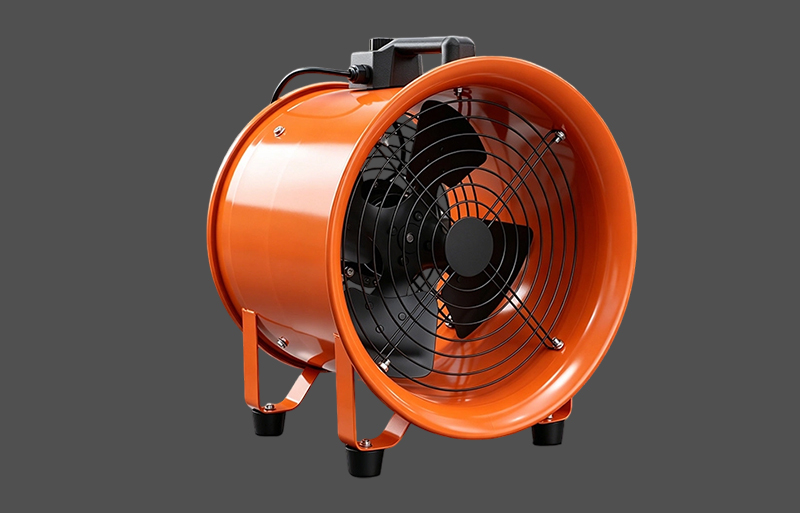 Custom Ventilator Motors Factory, ManufacturersAs China Ventilator Motors Manufacturers and Custom Factory, Shengzhou Tianyi Electric Appliance Co., Ltd provides types of Ventilator Mo...View Product →
The impeller translates mechanical rotation into moving air. Three geometric parameters define its behavior:
Impeller layout determines the fan type. Axial impellers send air straight through along the motor shaft, suiting large-volume, low-pressure jobs such as wall exhaust fans. Centrifugal impellers draw air into the center and fling it outward radially, producing the high static pressure ducted systems need. Blade materials range from corrosion-resistant plastics for light duty to stamped or cast aluminum for industrial heat and stress.
The housing shapes the airflow path: its contours guide air into the impeller, smooth the transition to the outlet, reduce turbulence, and shield the motor from dust and moisture.
Bearings are the most wear-sensitive parts. Ball bearings handle high speed and heat well and offer the longest life. Sleeve bearings are cheaper and quieter at low speed, but wear faster under heat. When a fan grows noisy after a few years, worn bearings are the first suspect.
Other components round out the system. A backdraft damper stops outside air entering when the fan is off, a grille keeps debris away from the blades, and thermal cutouts guard against overheating. Individually they seem minor; together they decide how safely the fan runs.
Choosing a ventilator fan means choosing an air-movement principle first. Axial and centrifugal fans serve very different installations.
| Feature | Axial ventilating fan | Centrifugal ventilating fan |
|---|---|---|
| Air path | Straight through along the shaft axis | Air enters the center and exits radially |
| Static pressure | Low | High with stable delivery |
| Airflow volume | High at low resistance | Moderate but stable under load |
| Typical duty | Wall and ceiling exhaust, general ventilation | Ducted systems, range hoods, industrial exhaust |
| Noise profile | Tends to be noisier at high volume | Smoother airflow, quieter at equal duty |
A wall-mounted bathroom fan is almost always axial; it only needs to push air through a short exterior louver. A duct fan serving a distant kitchen or industrial extraction line needs centrifugal construction to overcome duct friction. For pulling cooking fumes through long spiral ducting, a centrifugal unit performs far better; mixed-flow designs such as diagonal-flow impellers offer a middle ground. For ducted layouts, compare our inline duct fan options for ducted ventilation.
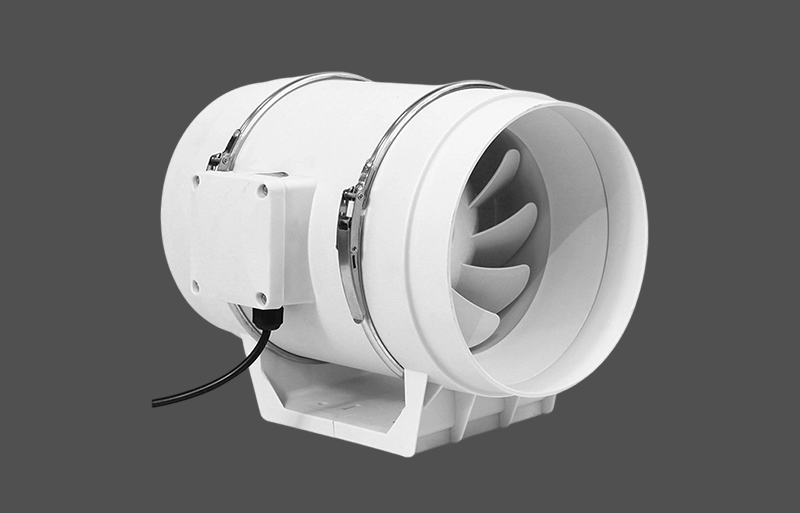 Custom Duct Fan factory, ManufacturersShengzhou Tianyi Electric Appliance Co., Ltd is China Duct Fan Manufacturers and Duct Fan Factory, supply Custom Duct Fan for saleView Product →
Two fans that look identical can perform very differently once installed. Four factors explain most of the gap:
For engineers, the key concept is the operating point: the intersection of the fan's pressure curve and the system's resistance curve. A fan that delivers excellent free-air volume will disappoint in a constrained duct network. That is why industrial specifications state static pressure at a given flow rate, not just a free-air CFM figure.
Durability compounds performance. In our manufacturing experience, fans built with undervalued motors show a measurable decline within a year: falling airflow, rising noise, and growing vibration. For factories and warehouses where downtime is expensive, industrial ventilation fans rely on sealed bearings, heavier frames, and heat-tolerant insulation.
Regular maintenance keeps a ventilator fan at its rated airflow and delays motor replacement.
A fan that becomes weak or loud after several years is usually suffering from motor or bearing fatigue. Replacing the motor restores original performance.
The working principle of a ventilator fan comes down to the motor rotating an impeller, angled blades creating a pressure difference, and air naturally flowing from the low-pressure suction side to the high-pressure discharge side. The motor decides power, efficiency, and longevity. The impeller decides airflow volume and static pressure. The housing, bearings, and dampers decide how smoothly it runs. Choose axial for open, low-resistance mounting and centrifugal for ducted systems. Follow a simple maintenance routine and it will move air for years.
TY001 TUPLAPUTEN PEUKONE OMISTETTU MOOTTORI
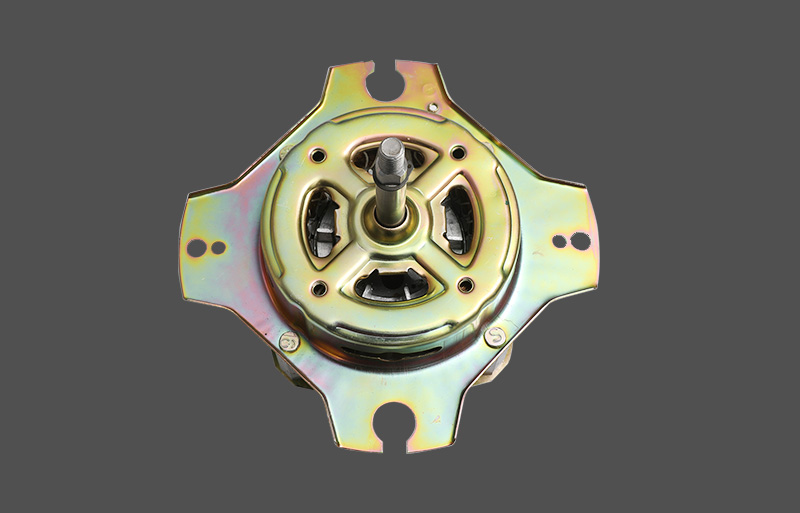
TY002 Tehokas Ja Kestava Kupari-Hava Pesukoneen Moottori
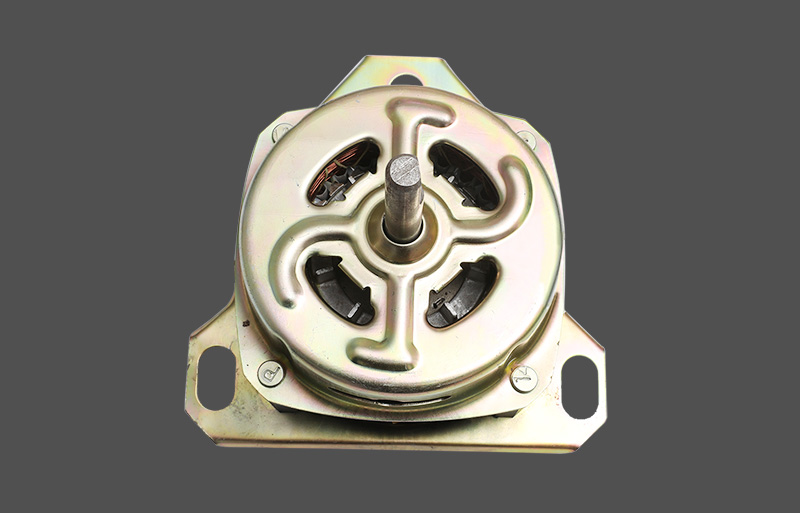
YmpäristitKannen pesukoneen Moottori
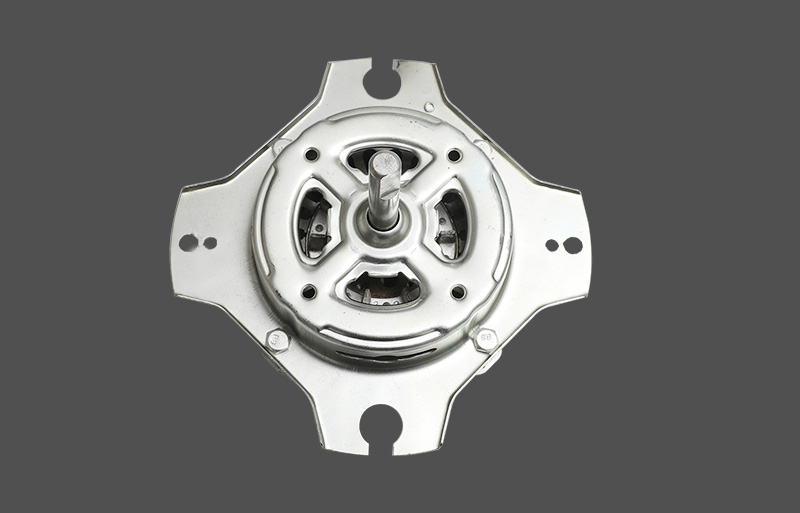
TY004 Tehokas mini-kuparilangan pesukone moottori
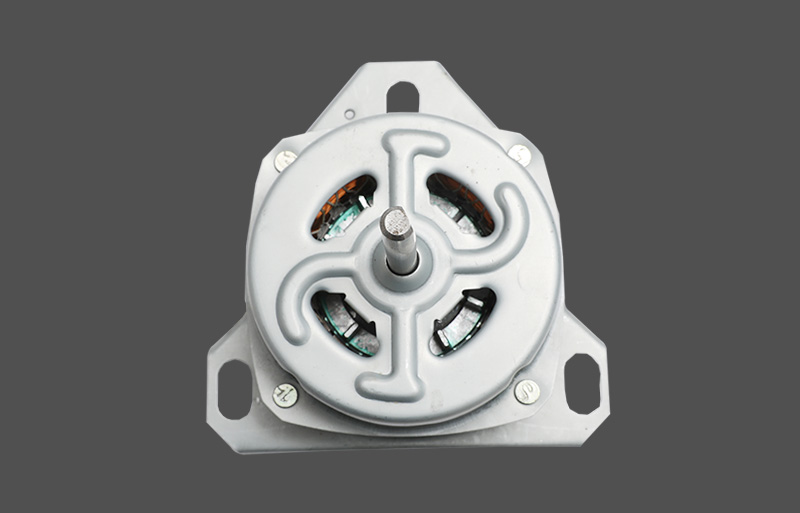
TY005 100% Kuparilangan Nopea induktiomoottori
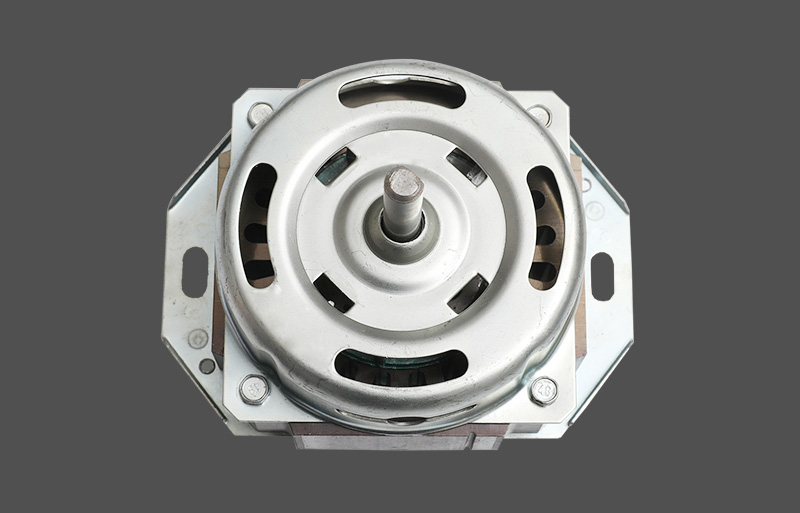
Kotilaitteen osat pesevät moottorin
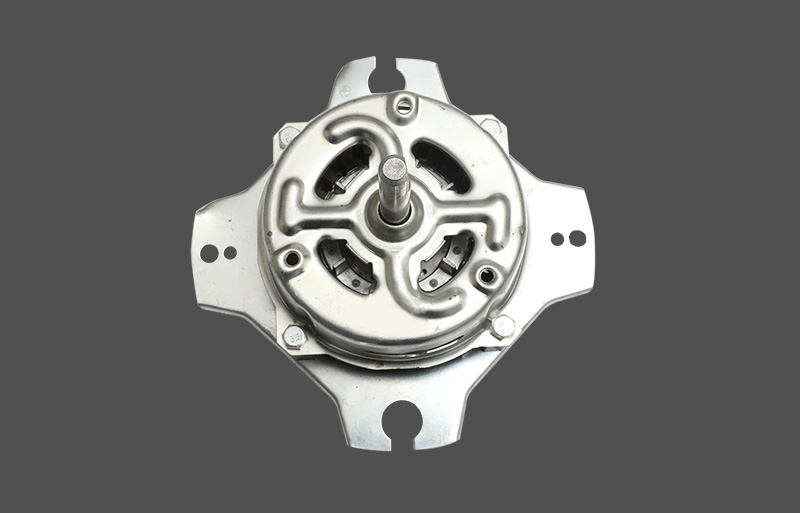
Valkoinen väri CCA -moottori
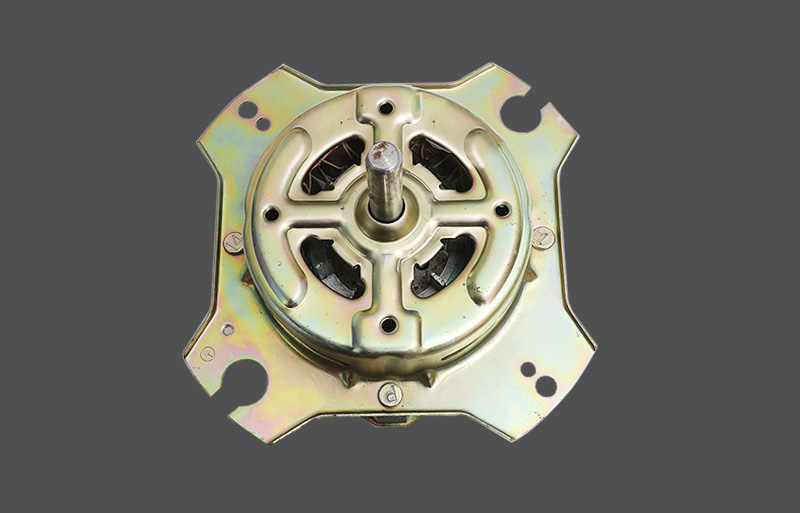
TY-008
Jätä sähköposti tai puhelin Nomber, jotta voimme ottaa sinuun yhteyttä mahdollisimman pian.
Jaa


